Why Is My Sourdough Bread Turning Out Dense?
This post may contain affiliate links. Please read our disclosure policy.
There’s nothing quite like pulling a fresh loaf of sourdough from the oven—unless you slice into it and discover a dense, heavy crumb instead of the airy texture you were hoping for.
If your sourdough keeps turning out dense, you’re not alone. Dense sourdough is one of the most common challenges home bakers face, especially when they’re learning how to read their dough. The good news is that a dense loaf is usually the result of a few common issues that can be corrected with practice and small adjustments.
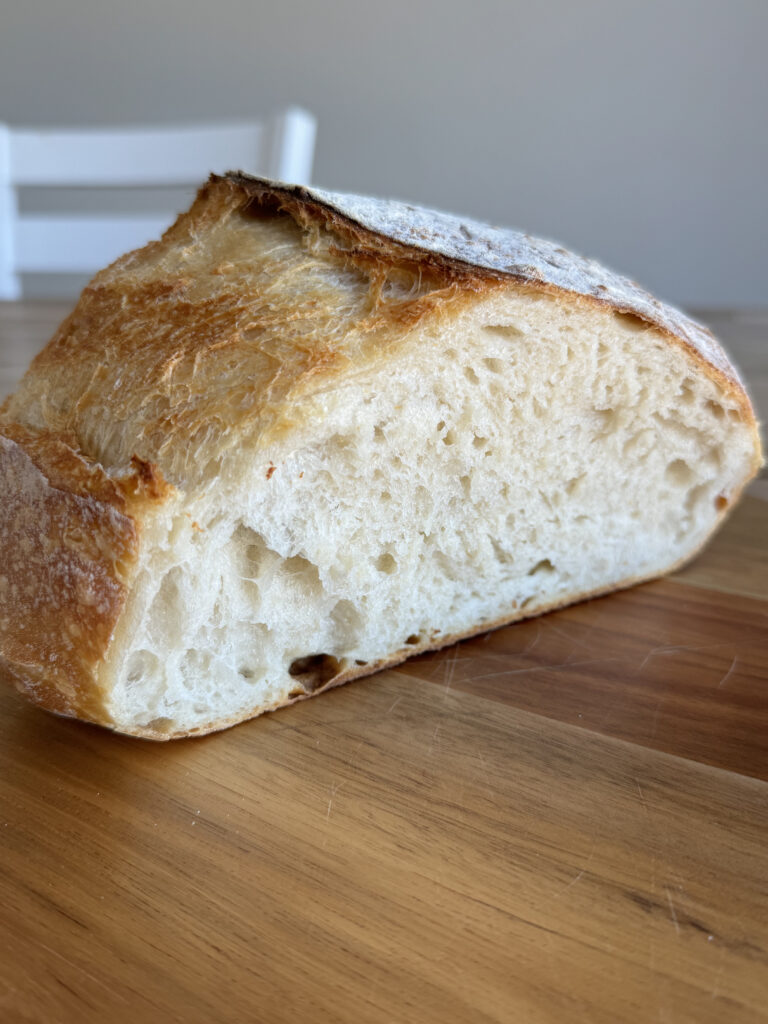
Let’s look at the most common reasons your sourdough bread may be turning out dense and how to fix them.
1. Your Starter Isn’t Strong Enough
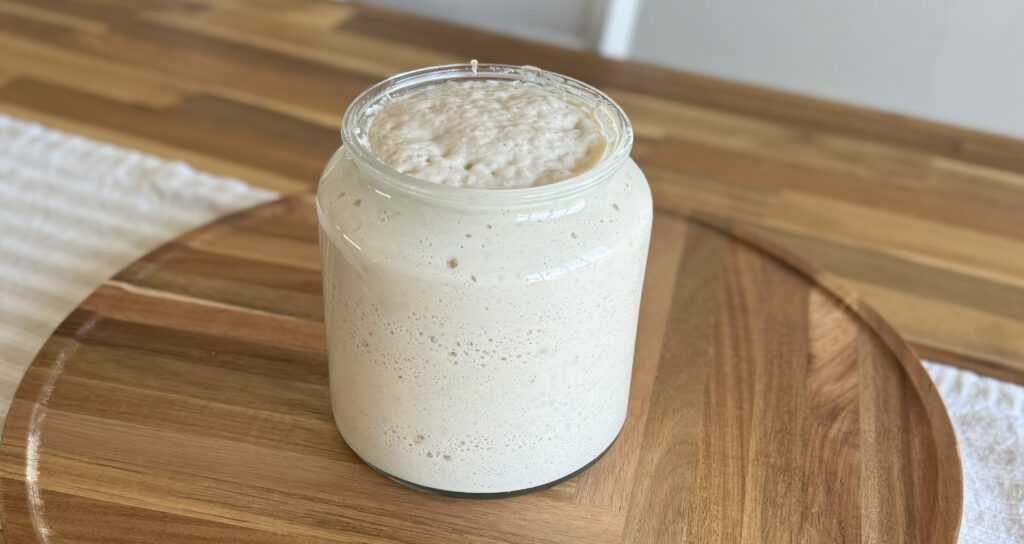
Your sourdough starter is the engine that powers your bread. If it isn’t active and healthy, it won’t produce enough gas to properly raise your dough.
Signs your starter may be weak:
- It doesn’t double in size after feeding.
- It takes more than 8–12 hours to peak.
- There are very few bubbles throughout the starter.
- Your dough takes an unusually long time to rise.
How to Fix It
Feed your starter consistently and bake when it is at or near peak activity. A healthy starter should reliably double in size and be full of bubbles before mixing your dough.
Tips to help it get stronger:
- make sure it is nice and thick after your feeds. It will thin out as it ferments.
Check out this video for consistency and changes of consistency throughout a 24 hour cycle.
2. If you have been inconsistent with feeds or it has been in the refrigerator, feed it every 24 hours on the counter and give it a few days of this until it is super bubbly and doubling in size a few hours after feeding.
3. Give it a boost feed of whole wheat flour. This is a superfood for starter and the nutrients in the whole grain will boost your starter!
(My favorite starter stirring stick)
2. Your Dough Was Underproofed
Underproofing is one of the biggest causes of dense sourdough. During bulk fermentation (The time the dough is fermenting after mixing up and before shaping), the wild yeast and bacteria in your starter produce gas that creates the open crumb sourdough bakers love.
If fermentation is cut short, the dough simply hasn’t developed enough volume before baking.
Signs of underproofing include:
- Tight crumb with very small holes
- Heavy texture
- Minimal oven spring
- Dough feels dense before baking
How to Fix It
Focus on the signs of fermentation rather than strictly following the clock. Depending on your kitchen temperature, bulk fermentation may take significantly longer than a recipe suggests.
3. Not Enough Gluten Development
Strong gluten development helps trap the gases created during fermentation. Without enough strength, your dough won’t hold its shape or rise effectively.
How to Fix It
Incorporate stretch-and-folds or coil folds during bulk fermentation to build strength in the dough. These gentle techniques improve structure without overworking the dough.
This video has a good visual of stretch and folds in it and you can see the texture of your dough change with each set of stretch and folds.
4. Too Much Flour Was Added
Many new sourdough bakers add extra flour when the dough feels sticky. While it can make the dough easier to handle, too much flour can create a dry, dense loaf.
How to Fix It
Trust the process and remember that sourdough dough is often stickier than traditional bread dough. Using wet hands during folds can help reduce sticking without adding excess flour.
How to Tell If Your Sourdough Is Properly Fermented
Instead of relying solely on time, look for these signs:
- Dough has increased noticeably in volume.
- Surface appears smooth and slightly domed.
- Small bubbles are visible throughout the dough.
- Dough feels light and airy when handled.
- It jiggles slightly when the bowl is shaken.
Learning to recognize these signs is one of the biggest steps toward consistently baking light, airy sourdough bread.
Final Thoughts
If your sourdough bread is turning out dense, don’t get discouraged. Every loaf provides valuable information about your starter, fermentation, hydration, and technique. Most dense loaves can be traced back to fermentation issues, starter strength, or dough handling.
The more you learn to observe your dough rather than strictly follow a recipe, the more consistent your sourdough baking will become. With time and practice, you’ll gain the confidence to troubleshoot problems and bake beautiful loaves with a light, airy crumb. The more you bake and handle your dough, the more you can do a lot of this process by feel and intuition.
Check out these posts for help perfecting your sourdough loaf:
Make a sourdough starter from scratch
Beginner friendly sourdough bread recipe
How to use your sourdough starter
I’m ready to use my sourdough DISCARD (the pancakes are my personal recommendation to start with)
/